When I look back at the first months of marriage, one thing surprises me even now—the way my partner and I started finishing each other’s sentences and reading moods without a word. Couples often talk about “chemistry” and “connection,” but it is the invisible cues that build a private language before a single phrase is spoken. New couples, especially newlyweds, seem to discover these secret signals very quickly.
Why does nonverbal communication matter so much?
In the early days of living together, everything feels new. There are moments of joy, but also small tensions while adjusting to habits and routines. I have found that nonverbal communication is often more honest than words. Sometimes, a partner’s sigh, a soft touch, or a certain look says what voices can’t or won’t.
Humans communicate with their whole bodies. From how we stand to the tilt of our heads, tiny gestures reveal feelings of happiness, discomfort, or love. For newlyweds just beginning their life together, these cues often speak louder than grand romantic statements.
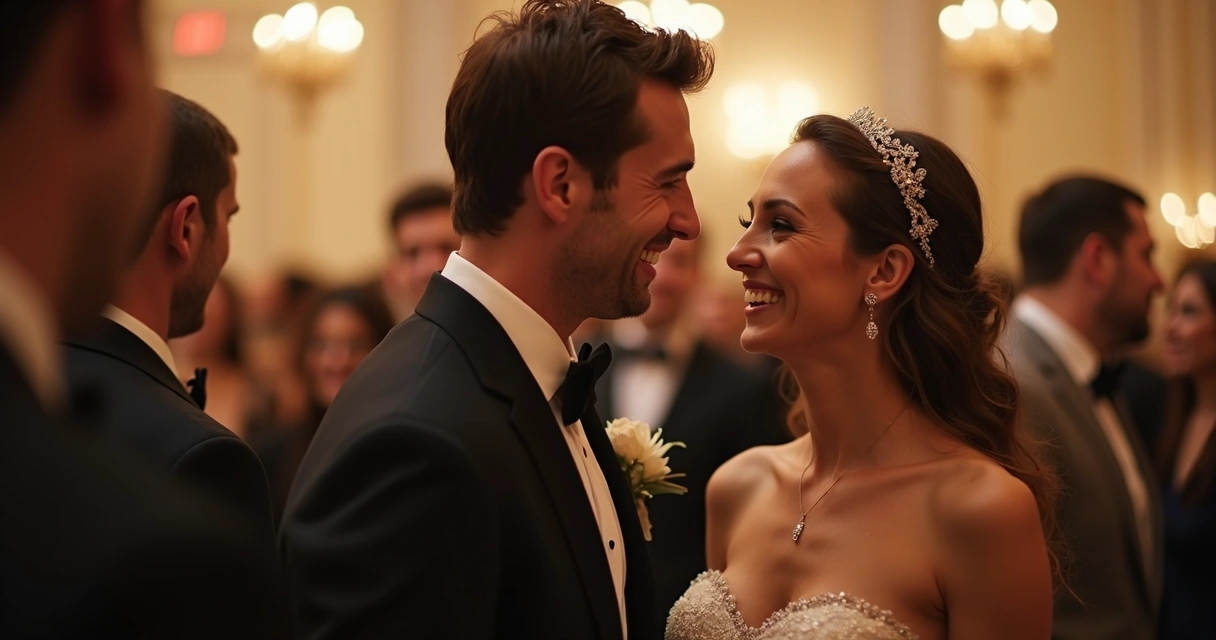
“Eyes meet, and suddenly the room is full of meaning.”
Common nonverbal signals couples share
When I attend weddings or watch young couples, I notice some gestures they almost all use. While each couple creates their own, there are a few classics that appear again and again—sometimes even unconsciously:
- Eye contact:
Long, gentle looks often signal comfort, support, or even a private joke. Rolling the eyes, though, can mean annoyance or sarcasm.
- Touch:
Simple touches—a squeeze of the hand, a pat on the shoulder, or brushing hair back—often mean reassurance or, sometimes, a quiet apology.
- Facial expressions:
Raising eyebrows, a quick smile, or a small frown can instantly change the mood of a conversation without words.
- Mirroring:
Many new couples start to copy each other’s posture and movements without realizing, which shows comfort and trust.
- Physical distance:
How closely couples sit or stand together is often a quick hint about their feelings in a moment, from longing to needing space.
As I have come to learn, these tiny actions create a sense of understanding and help avoid misunderstandings, especially when words seem awkward or unnecessary.
How newlyweds invent their private code
It is fascinating how fast some couples develop their own “language.” On my honeymoon, my spouse and I invented a dozen inside jokes, nicknames, and small gestures that no one else would recognize. What started as a shared smile during a boring reception speech soon became a nonverbal thumbs up in crowded rooms.
This creation of an exclusive code builds intimacy. Often, I notice partners communicating whole ideas through subtle cues, like:
- A tap on the arm meaning “let’s go home”
- A nod that signals “I agree with you”
- A gentle foot tap under the dinner table when someone’s had enough of a conversation
After a while, this code feels like a secret club only two people are allowed to join. It makes even mundane moments special. I found this private language to be especially strong after arguments—sometimes a soft gesture could make peace possible, even when no one felt ready to talk.
Science behind nonverbal signals for couples
Research supports what many newlyweds already know without thinking—nonverbal signals help couples stay in sync. Studies show that partners who read each other’s body language effectively tend to resolve conflicts more easily and feel closer.
I once read about a game therapists use, where one person communicates feelings with only facial expressions for a few minutes. The partner must guess what is being “said.” Most married partners do exceptionally well with this exercise, even after just a year or so together. It always amazes me how much can be shared with a glance or gesture.
Here are some ways scientists classify common signals:
- Proxemics:
This term describes personal space. Newlyweds often stand closer to each other than to others, which shows a desire for connection.
- Haptics:
This refers to any kind of touch, from high-fives to hugs, that communicates support or affection.
- Kinesics:
All gestures and body movements—like nodding or shaking the head—fall into this group, often signaling agreement, doubt, or encouragement.
- Paralanguage:
This one is tricky—tone of voice, sighs, and even laughter say a lot, even when words are gentle or neutral. Sometimes the way something is said matters far more than what is said.
By learning to notice and respond to these different types of cues, couples can avoid small conflicts before they become bigger problems.
When signals get crossed
Of course, misunderstandings do happen, especially when people are still figuring out what their partner’s body language means. I found myself in this spot more than once, especially when tired or distracted. Once, a silent stare that meant “I need help” was misread as “I’m angry.” It led to a tense hour until we laughed it off.
Here are some tips I picked up that help avoid these mix-ups:
- Ask your partner, gently, if you’re not sure what they mean
- Watch for patterns—if a gesture always means the same thing, you’ll learn it over time
- Remember outside factors—stress or fatigue can change how signals come across
- Stay playful—sometimes a misread cue is a chance to share a laugh
Over the months, our private language became more clear, and misunderstandings became rare. Occasionally, I still get surprised by a new gesture, but now it feels more like a discovery than a problem.
Nonverbal signals in public vs. private
One thing I always find interesting is how many couples save their most meaningful cues for private moments. In public, signals might be smaller—a hidden smile, a light touch—while at home, the same couple might use broader movements and more open displays of affection.
I once watched friends use a quick eyebrow raise at a family dinner when one of them wanted to leave—they seemed to know exactly what the other meant without needing words or any scene.
At home, those same friends laughed about the signal, saying it saved them from many awkward explanations. I realized that each environment invites its own set of nonverbal habits. Newlyweds often adapt their secret signals to fit the setting, making their bond flexible and hard to miss.
Growing the nonverbal language over time
Nonverbal communication is not static. The longer a couple is together, the more their signals change and deepen. Small gestures become richer. Sometimes new signals appear after shared routines, parenting, or as life brings new challenges.
“A shared glance tells a whole story only they know.”
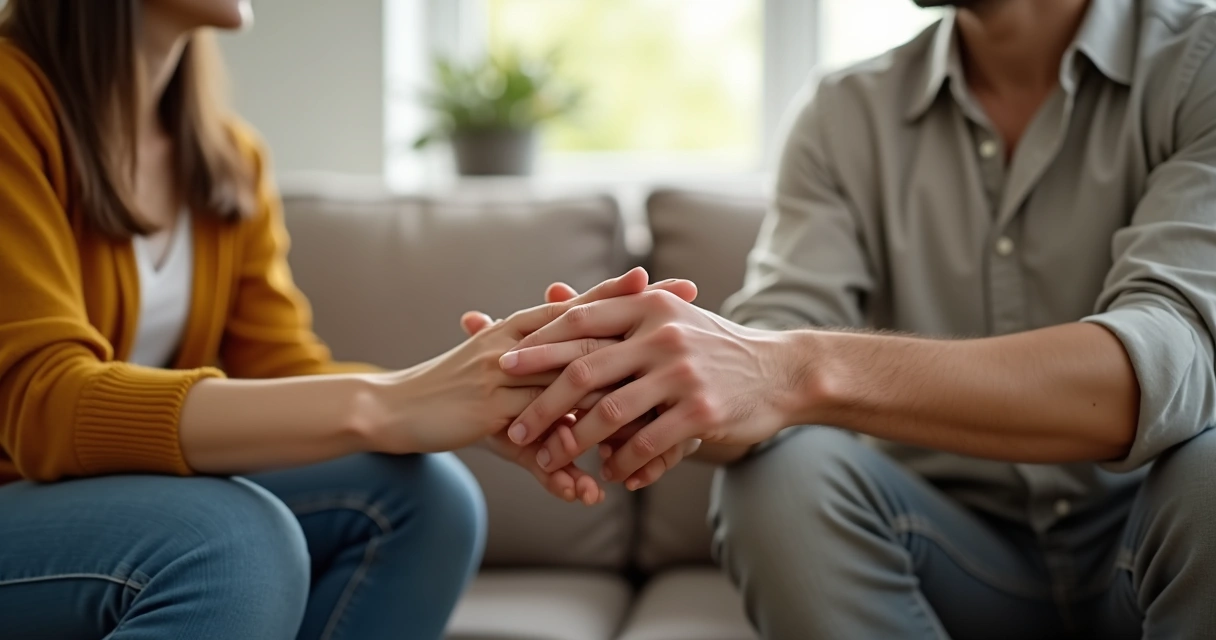
Even after years together, I still notice small surprises—new expressions, gentle jokes only the two of us understand, or a squeeze of the shoulder in a moment of worry. In my experience, these habits make the relationship feel alive and always a little bit new.
Can anyone create strong nonverbal communication?
Many people ask me if you have to be “naturally in tune” to develop this kind of connection. I think the answer is no. Every couple can build their own nonverbal vocabulary by staying observant, patient, and open to each other.
Even if a couple starts with a little miscommunication, with patience, they grow better at reading signals. I always suggest paying attention to small details—a partner’s sigh, a smile in the middle of a crowd, or how someone holds your hand at the end of a long day. Over time, these clues become as rich and meaningful as any spoken word.
The silent language of love
Reflecting on my own marriage and those around me, I see that this silent language between newlyweds is one of the most authentic forms of connection. It is private, personal, and easily missed by everyone else. Yet, for those two people, it is a foundation for days full of small joys—and sometimes, the glue that gently holds them together through hard moments.
“Not all love letters are written in words.”
The next time you see a newly married couple exchange a smile or touch hands under the table, know that there is likely a whole story unfolding—quietly, tenderly, and without a single spoken word.