Marriage, on its own, can be a puzzle filled with both joy and daily challenges. When adult ADHD becomes part of the scene, each piece sometimes feels more complicated to fit. In my experience, building harmony in this kind of partnership takes intention, understanding, and a willingness to laugh at the little missteps along the way.
Understanding ADHD within marriage
In my research and from conversations with couples, I’ve learned that ADHD is more than distractibility or restlessness. For many adults, it shows up as forgotten plans, impulsive spending, untidy spaces, emotional ups and downs, and a never-ending sense of overwhelm. These patterns shape habits, communication, and daily rhythms within a marriage. Sometimes, partners without ADHD might feel neglected or burdened. Meanwhile, the partner with ADHD may struggle with shame, feeling misunderstood or always falling short of expectations.
I saw that recognizing these patterns is the first step—it takes both partners to name and understand them together.
ADHD is not just “bad habits”—it is a neurological difference that influences thought and behavior.
Communication as the foundation
One lesson I keep seeing is that open, nonjudgmental communication is the backbone of daily harmony. Misunderstandings happen easily. When tasks are forgotten or feelings get hurt, it’s important to talk honestly but gently. Sometimes, I use simple check-ins, asking questions like, “How did today feel?” or “Was there something that tripped us up?”
- Be specific about what’s bothering you—avoid saying “you never listen” and say “I felt ignored when…” instead.
- Use regular, scheduled times for bigger conversations to avoid heated exchanges during stressful moments.
- Listen actively. I try to paraphrase what my partner says to show I am not just hearing, but truly understanding.
We’ve even had laughter over the reality that forgetting something—or getting distracted—is not a sign of not caring. It’s just part of how the ADHD brain operates.
Blaming each other is easy, but making space for real listening helps both partners feel seen.
Creating routines together
ADHD often makes consistency tough. In my experience, the solution isn’t rigid rules but simple routines that both partners design together. We keep routines flexible and review what works every few weeks.
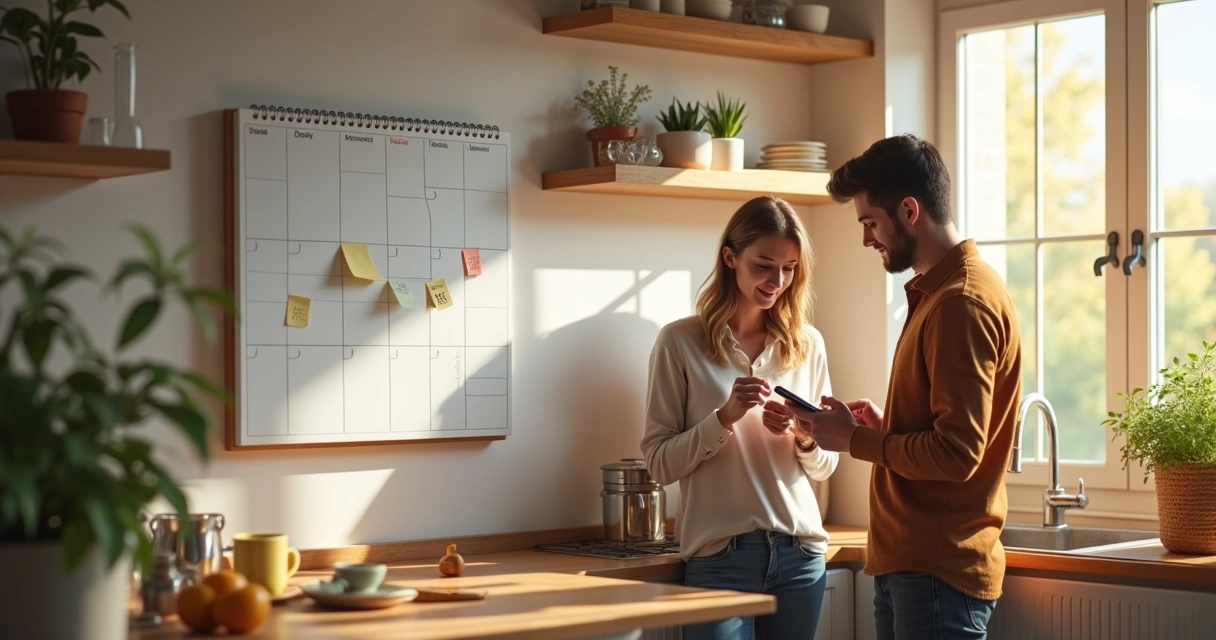
- Visible calendars in the kitchen help us keep track of appointments and commitments.
- “To-do” lists are short (no more than 3 items at once) and updated daily.
- Reminders on phones ensure important tasks aren’t missed.
I’ve learned that gentle reminders—framed positively—make a difference. Instead of “Did you forget again?” I try, “Would it help if we set an alarm for this together?” That tiny shift in tone protects both empathy and progress.
Sharing responsibilities with kindness
Chores and responsibilities can quickly become battlegrounds. In my home, we’ve found that splitting everything 50/50 might sound fair, but isn’t always practical, especially when executive function challenges get in the way. Instead, we try allocating tasks based on strengths and interests.
For example, my partner finds bill-paying tedious, so I take over. In return, they handle grocery shopping, a task I tend to forget. Every so often, we switch roles for variety and appreciation.
- Use visual cues, like sticky notes or checklists, near shared spaces.
- Celebrate small wins—even a cleared kitchen counter deserves a “Thank you.”
- Be flexible. If something gets missed, I’ve noticed a calm reminder works better than criticism.
Kindness in daily habits is like glue—it holds things together when routines slip.
Making room for emotions
Living with ADHD means emotions can be bigger—both joy and frustration. Sometimes, little setbacks feel like huge disappointments. I encourage couples to talk about feelings, offering space for tears and laughter.
When we both get overwhelmed, taking a “pause” helps. Even a five-minute break gives us both a moment to reset. Here’s what often works for us:
- Name the emotion: “I feel anxious about …” or “I’m sorry, I’m really frustrated right now.”
- Pause disagreements before they turn into arguments—walk away, then return calmer.
- Validate each other. “I know this is hard for you” can be more powerful than advice.
Empathy does not mean letting hurtful patterns continue, but it makes admitting mistakes easier.
Celebrating strengths unique to ADHD
One thing I’ve learned is to stop seeing ADHD only as a challenge. There are qualities my partner brings—creativity, spontaneity, and humor—that lighten our days. Marriages thrive when both people feel valued.
- Celebrate out-of-the-box solutions. My partner solves problems in surprising ways.
- Try new routines when life feels stuck. A little novelty, like a surprise midweek dinner, can energize the relationship.
- Let laughter ease tension. We often share stories of forgetfulness that later become inside jokes.
Every brain works differently—sometimes that’s the best part of being together.
Tools for daily support
From my own efforts, I’ve found that using simple tools makes life smoother. The best support systems are easy, visible, and accessible every day. Here are things that often help us manage headaches before they start:
- Color-coded organizers for shared items: keys, wallets, and important mail always go in the same tray.
- Shared digital calendars help us stay on the same page—even about small plans like coffee dates.
- Reminders set with friendly, encouraging words, not warnings.
- Short, written notes of appreciation left on mirrors or lunchboxes.
Technology is great, but low-tech tools—sticky notes or a whiteboard in the hallway—matter too. I always keep a stash of colorful markers for making lists a bit more cheerful.

Knowing when to seek help
If daily struggles grow into regular conflict or hurt, reaching out together to a marriage counselor or ADHD specialist can make a difference. In some seasons, we’ve needed guidance to find new ways to connect. There is no shame in asking for help—it’s an act of care for both yourself and your marriage.
I’ve realized:
- Outside support often helps both partners feel heard and less alone.
- Professional advice can introduce new strategies or tools that fit your unique relationship.
- Working together with a neutral third party sometimes brings new understanding faster.
Asking for support is a strength, not a failure of love or effort.
Final thoughts: The little things matter
From everything I’ve seen and lived, it’s the small, daily choices that build trust and gentle harmony in a marriage with ADHD. When both partners are curious, compassionate, and open to tweaking routines, a sense of connection grows.
Harmony is not perfection, but a commitment to grow and laugh, side by side.
Sometimes, that means forgiving a forgotten phone call or leaving colorful reminders on the fridge. Other days, it might mean celebrating the unique perspective your partner brings. Living with ADHD in a marriage brings its own rhythm, one that’s sometimes messy, but also vibrant and full of energy when you work together to understand and support each other. That, in my view, is something worth building every day.