High blood pressure, or hypertension, can appear without warning. I remember when a close friend felt fine one day, but discovered during a regular check-up that his numbers were much higher than they should be. That moment changed his perspective on daily habits. Small decisions can have a surprisingly big impact. In my experience, daily routines are the bridge between unmanaged blood pressure and a healthier future.
Why blood pressure needs daily attention
Blood pressure is affected by almost everything we do, from what we eat to how we sleep. If I ignore it for a day, nothing may happen. But when small bad choices stack up, their impact grows silently. Hypertension can sneak up slowly, so I’ve learned to treat daily care as self-respect more than a chore.
One small change each day is a victory.
Start with what you drink and eat
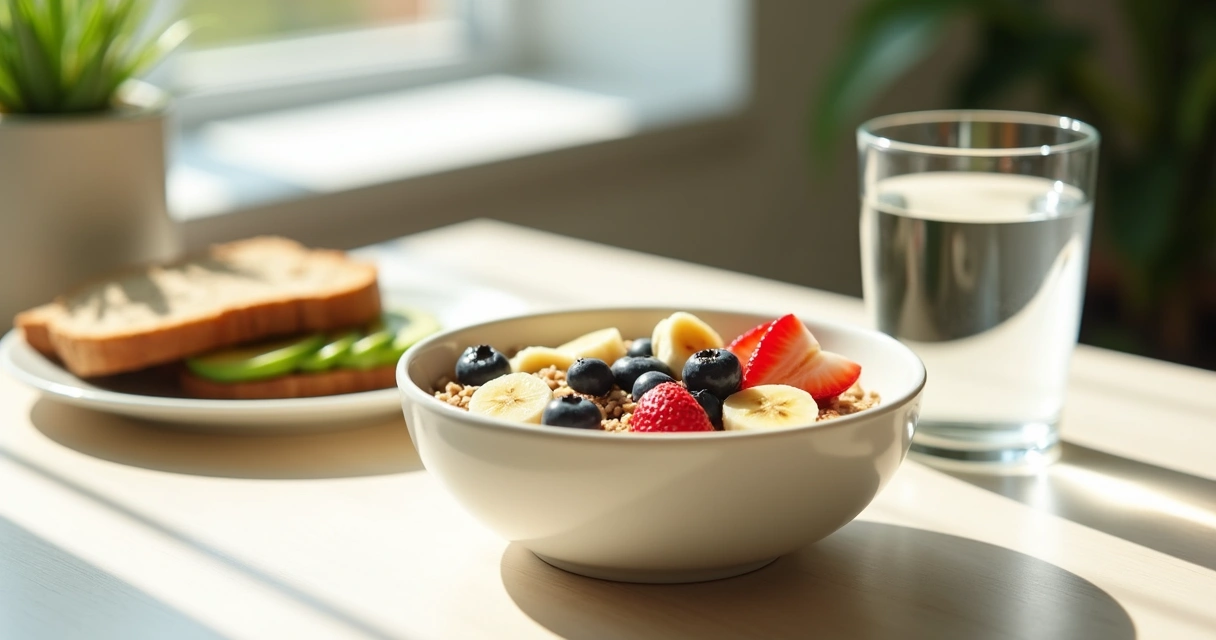
Each morning, I look at my breakfast. It isn’t fancy—usually oatmeal with bananas, sometimes eggs with vegetables. Why? Because food choices are at the heart of blood pressure control. Research (and even doctor’s advice I’ve received) keeps emphasizing this truth.
- Cut back on salt. Too much sodium raises blood pressure in a way that can slip under the radar. I swapped out salty snacks and started flavoring food with herbs instead.
- Fill your plate with fruits and vegetables. Potassium, found in many of them, helps counteract sodium’s effects. I often reach for spinach, oranges, or avocado as simple additions.
- Choose whole grains over processed ones. Oats, brown rice, and barley help stabilize blood pressure throughout the day.
- Lean proteins like chicken, fish, beans, and nuts give your body what it needs without the heavy fats that can come from red meat or fried foods.
Staying hydrated also matters. Water is always within arm’s reach in my home. I noticed that sugary drinks and too much alcohol seem harmless at first, but really do make it harder to keep blood pressure in a healthy zone.
Make movement part of your routine
I was never a gym lover, but I found tricks to add movement in ways that feel natural. Walking for thirty minutes per day, cycling with friends, or even a few sets of stretches during a break—each choice helps blood pressure find its balance.
- Walk after meals, even for ten minutes. I like to use this time to clear my head after a busy day.
- Simple home workouts like squats, yoga, or dancing to music also count. The key is to keep my body active nearly every day.
- Take the stairs, park farther from entrances, or have a “walking meeting” when possible.
Consistent movement keeps blood vessels healthier and helps the heart work less hard. If a full workout feels too much, I remind myself that even light activity is better than none. I usually feel better and surprisingly energized afterwards.
Even a five-minute walk can change your day.
Handle stress before it handles you
I didn’t realize how much stress affected my blood pressure until I started tracking my moods along with my numbers. Stress can sneak into the body, tightening muscles and making every heartbeat stronger—and sometimes, faster.
- Deep breathing techniques help me settle down almost instantly. Inhale slowly, hold it, exhale. Five rounds work wonders for me.
- Meditation or quiet moments in the day aren’t just for “spiritual” types. They give my mind a needed rest.
- Listening to music, reading, or stepping outdoors gives my mind a break from the constant noise.
- Keeping a gratitude journal, writing down three good things each night, helped lower my baseline stress over weeks.
I noticed my blood pressure often dips lower after these small moments of calm. Stress is a silent trigger for high blood pressure, so making peace with daily stress is a real act of care.
Stick to regular sleep patterns
In my experience, bad sleep makes everything harder, including blood pressure. When I stay up too late or toss and turn, my body stays in a fight-or-flight state. That’s not good if you want a calm, steady heart.
Here’s what works for me:
- Go to bed and wake up at similar times each day. My body appreciates a routine.
- Keep screens (phones, TVs) out of the bedroom. Blue light makes it hard to unwind.
- Make the bedroom dark, quiet, and cool.
- Limit caffeine after noon. I noticed better sleep when cutting back on that afternoon coffee.
After a week of steady sleep, I usually find my energy returning and my stress levels dropping. Both are good news for blood pressure readings.
Monitor and celebrate progress
Checking my blood pressure isn’t the most exciting routine, but I learned that tracking progress can be motivating. When I see a healthy trend, I feel proud—it’s proof that the daily habits work.
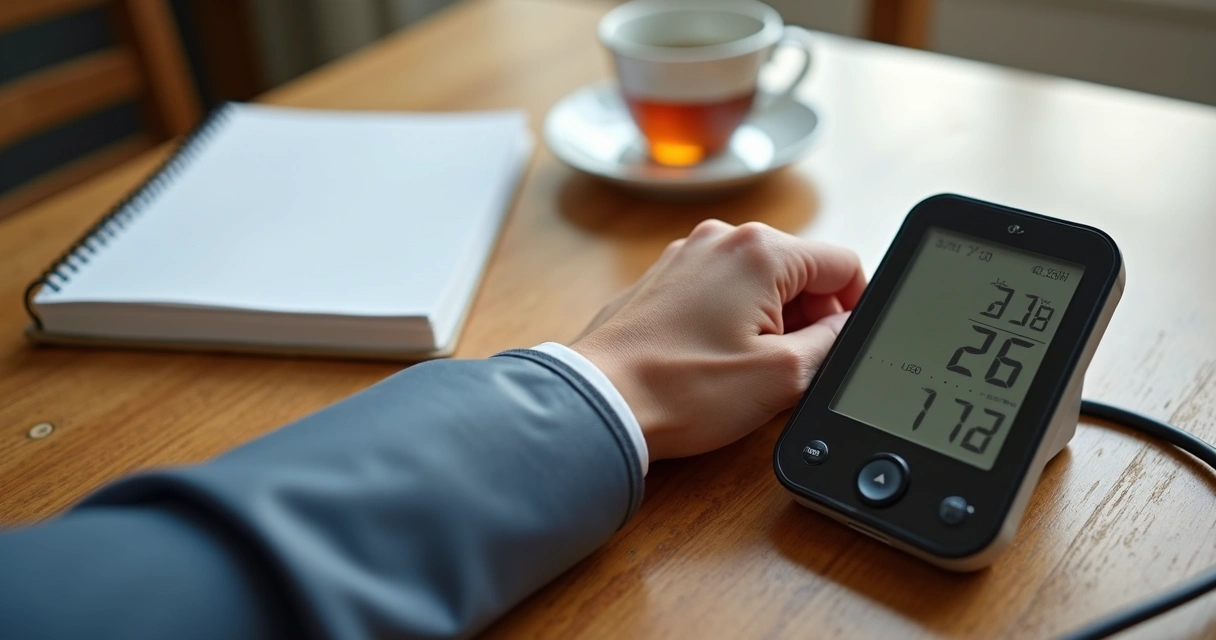
I have a small notebook where I jot down numbers once or twice per week. It’s also helpful if a doctor wants to see trends. If my numbers start creeping up, it’s easier to spot early and take action. The real reward, for me, is feeling a sense of control—no matter what comes my way.
Conclusion
High blood pressure once seemed like a background worry to me, buried under life’s busyness. But, as I saw in my friend’s story and my own health journey, the real power lies in ordinary days. Each small step—better meals, a brisk walk, deeper breaths, gentle sleep—builds a foundation that really lasts.
Daily choices shape how we feel today, and how healthy we are tomorrow.
I believe that with a few steady daily habits and a little attention to your own needs, controlling blood pressure becomes much less intimidating—and much more possible.
Frequently asked questions
What is high blood pressure?
High blood pressure, or hypertension, means the force of blood against your arteries is higher than it should be, making the heart work harder. Most people don’t feel symptoms, which is why it’s sometimes called a “silent” condition. Over time, if left unmanaged, it can harm your heart, brain, and other organs.
How can I lower blood pressure daily?
Small daily actions work best for lowering blood pressure. Eating less salt, adding fruits and vegetables, moving more, handling stress, and sleeping well all help. I’ve found that sticking to these habits—not just once, but most days—makes the biggest difference for long-term control.
What foods help reduce high blood pressure?
Foods I trust to help lower blood pressure include leafy greens, bananas, berries, oats, beans, and unsalted nuts. Foods high in potassium, fiber, and magnesium seem to work best. Avoiding excess processed or salty food helps too.
Is exercise good for high blood pressure?
Yes, exercise is good for high blood pressure. Even light activities like brisk walking, stretching, or cycling make a difference. Getting at least 20-30 minutes of movement most days of the week helps the heart and blood vessels work better.
How often should I check my blood pressure?
It’s helpful to check your blood pressure at home at least once or twice a week if you are managing high readings. If you’re starting new routines or have had worrisome numbers in the past, more frequent checks may help you see what’s working. I write down my numbers to spot patterns early.