Weddings are not just ceremonies; they’re a tapestry of memories, colors, laughter, and the hopes of families. In my research over the years, I’ve realized that what makes them special are the little traditions that people bring with them on that unforgettable day. These traditions, some ancient and some modern twists, bring so much character and meaning. If you’re planning a wedding or just like stories, come with me on this journey around the world as I describe ten traditions that can inspire any couple.
India: The beauty of mehendi
Whenever I think of Indian weddings, the first image that pops into my mind is the intricate henna designs, known as mehendi. Before the wedding day, the bride’s hands and feet are adorned with stunning patterns using natural henna paste. There’s a wonderful belief that the deeper the color, the stronger the bond between the newlyweds, and even the stronger the love with her in-laws!
Patterns can tell a whole story—of love, family, and new beginnings.
Italy: Tossing the bouquet
I once attended an Italian wedding in Rome, and right at the end, the bride tossed her bouquet over her shoulder. The unmarried women all scrambled as if the future was right there in those blooms. This tradition, now popular in many places, began in Italy. It’s built around the playful idea that whoever catches the bouquet will be the next to marry.
This joyful custom adds a spark of hope to every guest’s evening.
Nigeria: The vibrant money spray
At a Nigerian wedding, it’s common—and quite a spectacle—for guests to ‘spray’ money on the couple as they dance. In my experience, this isn’t just about giving: it’s a visible way to show blessing and support to the couple’s shared future. The dance floor often ends up sparkling with bills, and laughter fills the room as everyone joins in the celebration.
Weddings that turn into showers of blessings always stay with you.

Japan: Sake sharing for respect
There’s a quiet grace to Japanese weddings. One tradition that caught my heart is the sharing of sake between the bride, groom, and their families. Called “san-san-kudo,” meaning three-three-nine-times, the couple takes turns sipping sake three times each from three different cups. Each sip represents a wish for happiness, connection, and respect between families. In my experience, sake is perhaps more about the meaning than the taste itself.
Scotland: The tradition of blackening
Not every tradition is about beauty and comfort. In Scotland, I learned about “blackening,” where friends and family cover the bride and groom in a mess of flour, ash, treacle, or feathers—sometimes all at once! It’s a noisy, messy parade, and while it sounds wild, the symbolism is clear: couples face challenges together, and nothing can embarrass them once they’ve survived this spectacle.
A little mess can wash away nerves and prepare for life’s unpredictable turns.
Mexico: The lace lasso of unity
In Mexican ceremonies, there’s a beautiful moment when a lasso—sometimes a rosary or floral garland—is placed around the couple in a figure-eight. This is the “el lazo,” symbolizing an everlasting bond. I’ve seen this tradition bring tears and smiles as couples feel the physical sign of being woven together, promising never to let go.
This gesture can make any union feel sacred and embraced.
Greece: Crowning for partnership
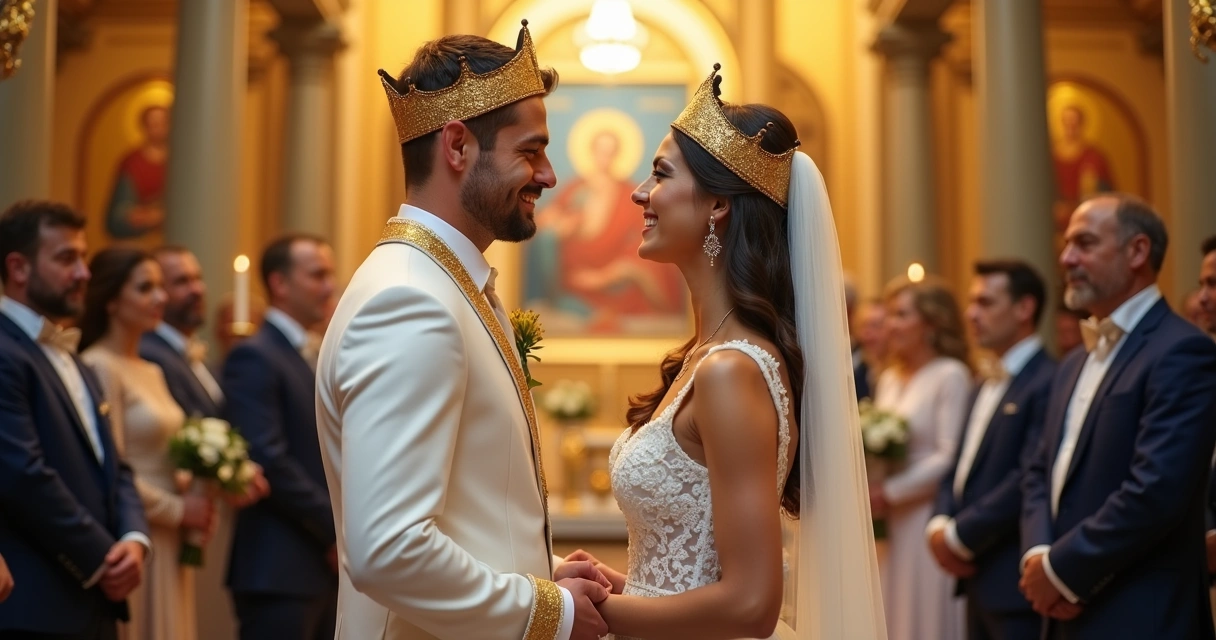
Greek Orthodox weddings include the “stefana,” two delicate crowns joined by a ribbon. They’re placed on the couple’s heads to represent the king and queen of their new household. It’s both solemn and joyful, especially as the couple is led around the altar for the “dance of Isaiah” with their guests singing in support. When I watched this, I felt like everyone in the room was part of that union.
China: Door games and playful beginnings
I’ve always enjoyed the light-hearted beginnings of Chinese weddings. On the wedding morning, the groom and his friends arrive at the bride’s house, where they’re met with challenges and games—sometimes silly, sometimes tricky—set by the bridesmaids. Only after completing these playful tests can the groom ‘win’ his bride. These moments, in my view, show that marriage starts with laughter and a bit of sweat, not just sweet words.
Kenya: Maasai blessings and beauty
The Maasai community approaches weddings with joy and color. What moved me most was the sight of the elders blessing the couple by spitting milk or water on them—a symbol of fertility and purity. Maasai brides wear elaborate beadwork and bright colors, making for a true feast for the eyes. You can feel how every detail is a blessing meant to protect and encourage the couple as they build their new lives.
Germany: Smashing porcelain for luck
Before many German weddings, there’s an event called “Polterabend.” Friends and family are invited to break porcelain (never glass) in front of the couple’s home. Cleaning up the mess together is seen as a sign that the new pair can handle anything life throws their way. The noise is supposed to ward off bad spirits, too. I can still picture the laughter, the mess, and the sense of teamwork beginning right then and there.
Conclusion: Finding meaning in shared moments
When I look back at these traditions, I’m struck by the imagination and heart behind them. None of these customs are about perfection—sometimes they’re sweet, sometimes they’re messy or even silly. What really matters is how they make the couple and their guests feel connected, hopeful, and loved. Maybe your ceremony will borrow a bouquet toss, a unity lasso, or even a playful door game—but whatever you choose, it’s these meaningful moments that stick in the memory for years. Weddings are as much about saying “I do” as they are about welcoming dreams and building a new family history.
Frequently asked questions
What are the most unique wedding traditions?
Many wedding traditions stand out for their creativity and spirit. For example, the Scottish blackening is wild and messy, but the fun helps the couple bond. The Japanese sake-sharing and Greek crowning are deeply symbolic, while the Nigerian money spray brings an air of joy and generosity. Each tradition has unique meaning, reflecting local beliefs and values.
How can I include global traditions?
In my opinion, adding global elements is about understanding and appreciating their significance. You could include a unity lasso, have a henna session, or even play fun door games. Just be sure to learn about the background of the custom so it’s meaningful, not just for decoration. Including a tradition with intention will make it feel sincere to you and your guests.
What is a wedding sand ceremony?
A sand ceremony is where the couple pours two different colored sands into one container, blending the grains together. This act is a visual symbol of joining lives—once mixed, the sands can’t be separated, just like the couple’s bond. I’ve seen it used to represent blended families, too, with children or loved ones adding their own sand, creating a lovely, colorful reminder of unity.
Where to find cultural wedding inspiration?
I usually turn to stories from friends, books, or even my own travels for inspiration. Sometimes, simply talking to couples from different backgrounds opens a window to special customs. You can also look at documentaries, museum exhibits, or cultural festivals to see traditions in action. There are so many ways to discover meaningful rituals, and sometimes you stumble upon the best ideas by listening or asking someone about their favorite wedding memory.
Is it worth adding international traditions?
Absolutely, if any part of a tradition speaks to you. Including international customs adds layers of meaning, sparks conversation, and can help guests feel engaged. These touches make your day unique and memorable—not just for you, but for everyone present. Of course, do what feels comfortable and don’t feel pressured to use anything that doesn’t fit your personality or story.