I still remember the first time I boarded a train in Europe. The landscape seemed to unfold like a moving painting, and I realized there was no better way to get around. But after browsing ticket prices, my heart skipped a beat – was it really going to cost that much? Since that day, I’ve made it my mission to find ways to travel by train without draining my wallet. Train journeys in Europe can be comfortable, scenic, and, with the right choices, surprisingly affordable. Let me share what I’ve learned.
Why choose trains for traveling in Europe?
When you ask people who have traveled across the continent, most will say that trains in Europe are about more than just moving from place to place. It’s about comfort, views, and a sense of adventure. You avoid the stress of airports, you land right in the city center, and you get to watch the countryside through panoramic windows.
- Direct access to city centers
- No need for early airport arrivals or security queues
- Flexible luggage policies
- Comfort to walk around or relax
- Unbeatable scenery – think the Alps, the French Riviera, rolling hills in Tuscany
But all these advantages don’t have to mean you spend a fortune. I’ve learned that a few smart choices can drastically cut the price of your train adventure.
Planning: When and how to book for less
Ticket prices in Europe are often like airfare: The earlier you book, the lower the price you pay. That’s especially true for high-speed trains connecting major cities. I’ve managed to save up to 70% compared to last-minute prices by booking early.
How early should you book?
From what I’ve seen, booking one to three months ahead usually gives you the best deals. Many train companies release schedules and tickets 90 to 120 days before departure. Popular routes (like Paris to Amsterdam or Rome to Florence) fill up quickly.
But even if you’re late to the party, don’t worry – there are still ways to save. Consider:
- Traveling in off-peak times (midday, midweek, or outside holidays)
- Choosing slower regional trains instead of high-speed options
- Looking at connecting journeys with changes, which can be cheaper
Should you get a rail pass?
This is one of the most common questions I hear. In my own research, it really depends on your travel style. If you plan to visit many countries or take several long-distance trips, a rail pass can offer huge savings and flexibility. For shorter trips, or if you know exactly where and when you want to go, single advance tickets may end up cheaper.
Here’s what I do before deciding:
- Map out my expected routes and travel dates
- Compare the total cost of individual tickets versus a rail pass
- Check if the pass I want covers seat reservations (some require extra fees)
Flexibility pays off – but only if you use it.
Saving money on routes and timings
Traveling like a local can make a big difference. On some routes, there are different types of trains: high-speed, intercity, and slower regional trains. The slower ones often take a bit longer, but they can be much cheaper. I once traveled from Munich to Salzburg for less than half the price others paid, just by taking a slower train.
Other tips I’ve found useful:
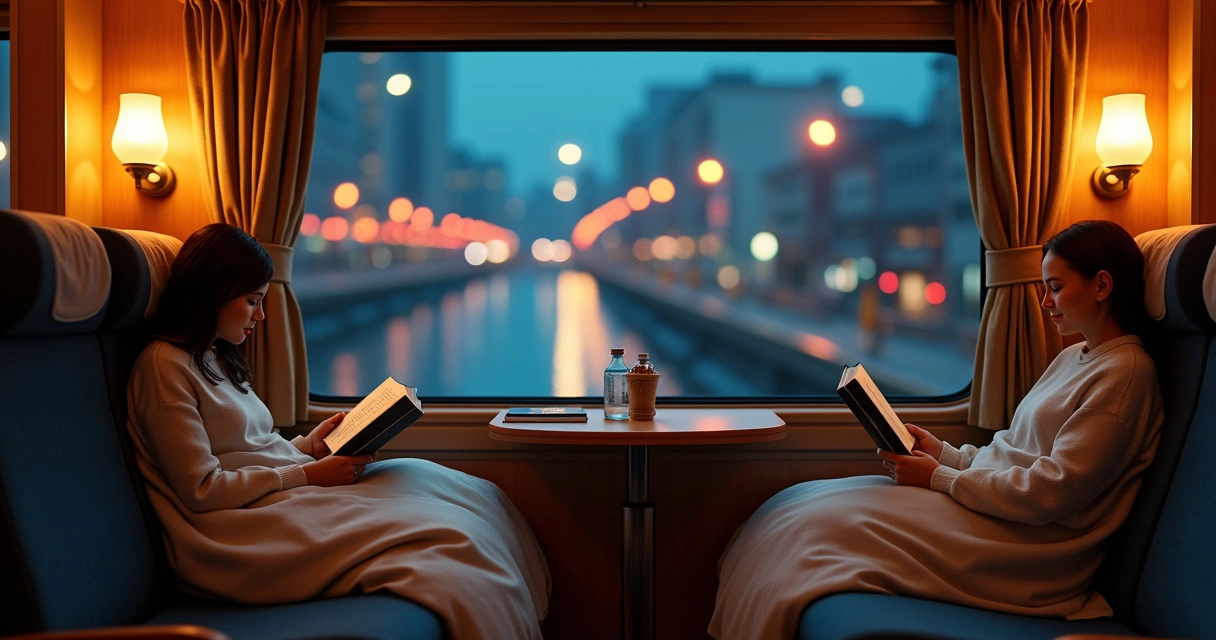
- Night trains are great for saving on both travel and accommodation
- Some routes have “saver fares” or limited offers for small groups or families
- Discount cards are available for young travelers, seniors, or people under 26 – always check if you qualify
- Booking round-trip tickets can sometimes reduce the overall cost
How to make the most of regional and local trains
Some of my most memorable trips happened on regional trains that meandered through places tourists often miss. These trains, usually run by local or national rail providers, can cover shorter distances and stop at small towns and villages.
Three reasons I love these trains:
- They’re affordable, no matter when you buy the ticket
- No reservations are needed, so you can be spontaneous
- You get a closer look at daily life, outside the busy city centers
Regional trains are especially valuable in countries like Germany, Austria, Switzerland, Italy, and France. Sometimes there are regional day passes for unlimited rides within a state or region – perfect for exploring at your own pace.
Packing, food, and extra costs: The little things matter
Travel costs go beyond just ticket prices. I’ve learned over time that small decisions soon add up.
How to pack smart for train travel
The good news is most European trains don’t strictly weigh or measure luggage, but you will need to carry your own bags on and off the train. I now pack light. Wheeled suitcases or backpacks are best, since you’ll sometimes find steep steps or crowded platforms.
- Keep your valuables close – stations are busy places
- Don’t forget a refillable water bottle
- Layers help for changing weather – especially in spring or fall
- Earplugs and an eye mask are great for night trains
Eating well without paying too much
Dining cars on trains can be expensive. I often stop at a supermarket or bakery before my trip and pick up snacks or a sandwich. Some travelers bring fruit, nuts, or even a little picnic to share with friends. On longer trips, having your own food is both practical and saves money.
A fresh baguette eaten while rolling through the French countryside will beat most restaurant meals – and it costs far less.
Don’t forget the extra costs
Seat reservations, especially on high-speed or international routes, can catch you off guard. Sometimes they’re required and not included in the ticket price. Check every detail when buying. I’ve learned to keep a small reserve in my budget for local transit (like buses or subways to reach your hotel), storage lockers at stations, or occasional tips for station staff.
Getting inspired: Building your own route
Half the fun is choosing where to go. My best advice is to balance famed cities with smaller spots along the way. Try not to cram too much in; slower travel can reward you with surprises. Some of my favorites:
- Take the train along the Rhine for castles and vineyards
- Ride from Naples to Palermo for sea views and winding tunnels
- Hop between Spanish cities and discover the food markets
- Enjoy alpine views between Zurich and Milan
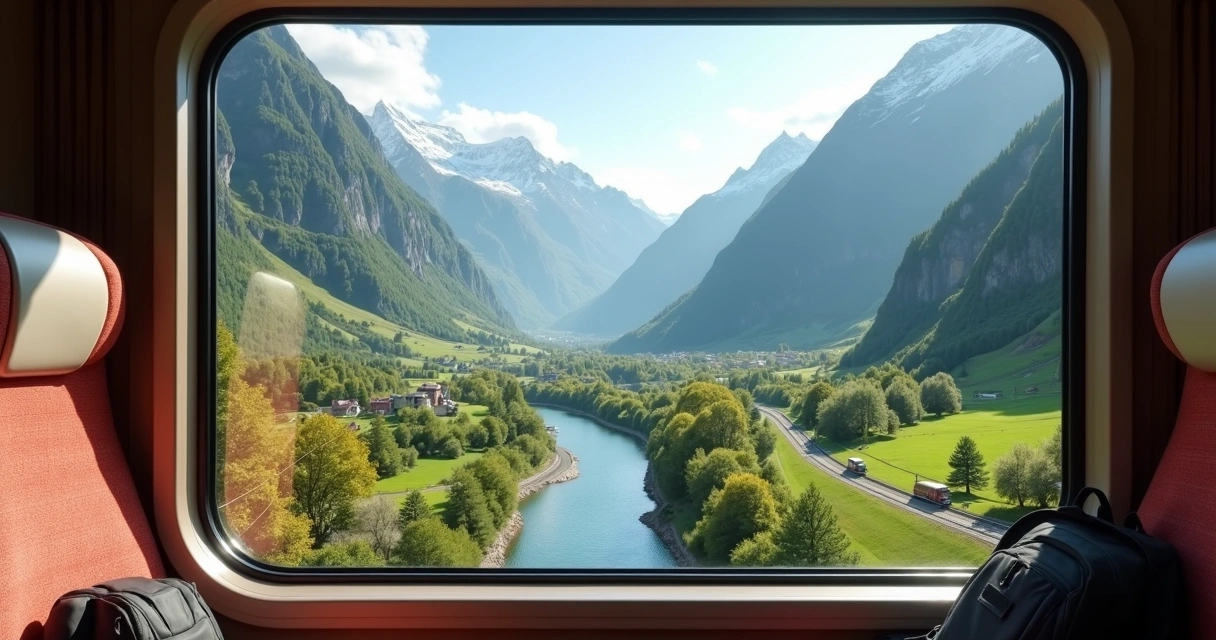
Mixing famous cities with hidden gems lets you enjoy the full range of what Europe’s trains have to offer. I’ve found that some of my favorite moments happened in places I knew little about before buying the ticket.
My closing thoughts
Traveling by train in Europe doesn’t have to be expensive. With a bit of planning and a willingness to do things differently, you really can see a lot for less. The real secret is to be a little flexible, think ahead when you can, and stay open to new experiences. Sometimes that means taking the slower train. Sometimes it means skipping the famous route and picking a local one. Every journey feels unique, and that’s what keeps me coming back.
If you dream of traveling across Europe by rail, it’s possible no matter your budget. Friendly faces, stunning views, and surprising discoveries await – all you need is a ticket, a little curiosity, and the willingness to enjoy the ride.