There’s something about weddings that always feels a bit magical. Maybe it’s because they’re full of promises and beginnings, or maybe it’s just the way people gather, hoping for joy. Still, as I’ve realized (often while staring at bill estimates), the magic can get expensive. And honestly, the waste can feel overwhelming.
That’s why I started researching how to plan a more sustainable wedding without spending a fortune. It turns out, you can create a beautiful, memorable celebration that feels both kind to the planet and considerate of your wallet. Sometimes, imperfect, heartfelt solutions beat the most expensive, grand gestures.
Start with intentions, not perfection
Before I got into planning, I sat down for a minute and asked myself why being sustainable mattered. For me, it was about showing respect for the planet and the people coming together. That mindset shaped a lot of decisions. You don’t have to do everything perfectly. Even small, thoughtful choices count.
Setting priorities
I began by writing down what mattered the most: good food, plenty of laughter, and memories that would linger for everyone. If you do the same, you’ll see where your energy (and cash) should go. Pick two or three things to focus on. Let the rest be simple.
- Is the location more meaningful than the decor?
- Would you rather have local, seasonal food or elaborate florals?
- Do your friends love to dance, or do they prefer quiet conversations?
Choose the right venue
I’ve seen how the location sets the tone for a wedding before anything else. Want to make your wedding greener and cheaper? Start here.
- Outdoor spaces like public parks or family backyards often require less decoration because nature does the work for you.
- Holding your ceremony and reception in the same place cuts down on transportation and stress for everyone.
Nature makes the best backdrop.
Sometimes, a hall or a local community center becomes cozy with a few lights and laughter. You don’t need a castle.

Invitations and paper goods
Paper waste adds up fast. In my own search, I found so many ways around it that still felt personal.
- Go digital with invites and RSVPs. It’s fast and free for most guests.
- If paper feels too important to skip, pick recycled or wildflower-seeded paper. It’s surprisingly easy to find (and sometimes your guests can plant them afterwards).
- Printing at home with simple designs gives a lovely touch—and limits shipping and excess packaging.
Menus, programs, and seating charts? For those, I went minimalist. One large sign at the entrance or a single seating chart worked—and nobody minded.
Attire for the conscious couple
Outfits can be a big source of waste (and costs). I worried about spending on something I’d never wear again. Turns out, options for sustainable style are growing.
- Consider renting dresses and suits instead of buying new. It’s surprisingly affordable and gives more variety.
- Look for pre-loved or vintage pieces. I tried on a few, and they felt full of stories.
- Ask loved ones if they have accessories or special pieces you could borrow. This creates sweet new memories connected to old ones.
It’s tempting to go all out with outfits, but comfort and authenticity show better in photos anyway.
Decor made simple and sustainable
Sometimes when I look back at weddings, I remember laughter and colors—not the table runners. Decor can be lovely and still gentle on the earth (and wallet).
- Repurpose what you have or borrow from friends—many are happy to lend vases, string lights, or candleholders.
- If you buy, choose secondhand from local marketplaces or thrift shops. It feels like a treasure hunt, and you’d be surprised what you find.
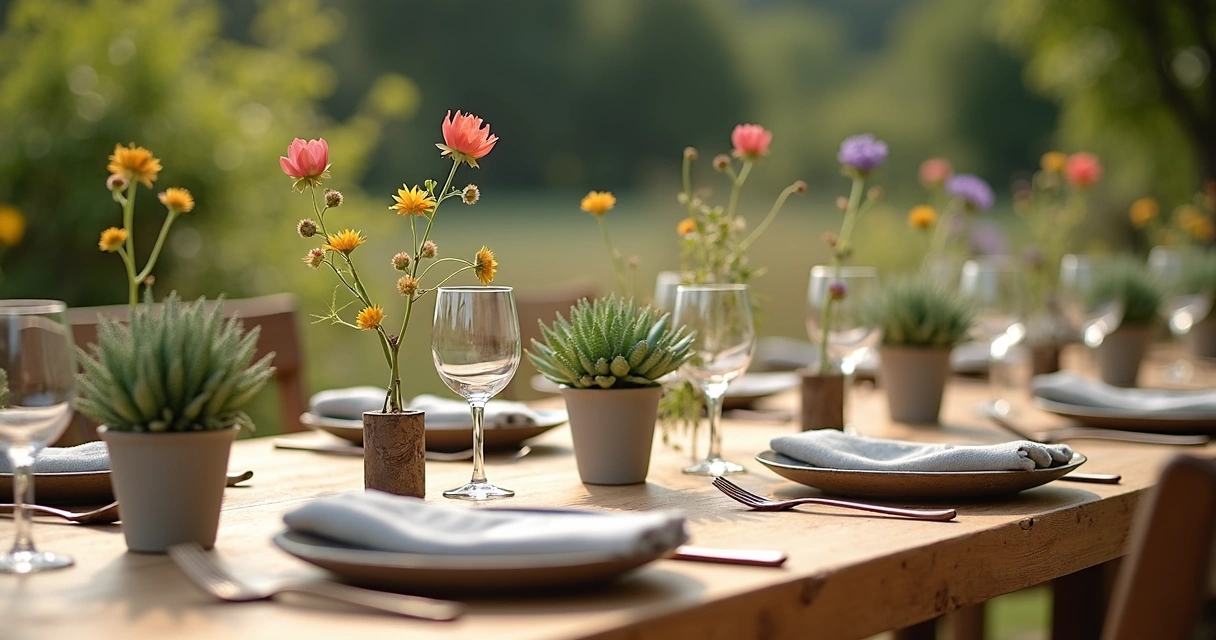
- For centerpieces, potted plants or succulents can double as guest favors. At my cousin’s wedding, people loved taking home a living reminder.
- Skip the single-use plastics and opt for fabric napkins and real dishware if possible. Even mismatched finds have their own cozy style.
Let the little details tell your story.
Food with less waste
This is one area I sometimes find the trickiest. The food is where people really gather, so it’s tempting to go big. But sustainable choices can bring people together, too.
- Ask caterers about local and seasonal options. Locally sourced menus not only support small growers, but often taste fresher.
- Consider a smaller menu, or serve dishes family-style so nothing goes to waste. I once enjoyed a wedding where guests shared platters and swapped stories—so much warmer than a buffet line.
- Offer vegetarian or plant-based options. They often cost less and lower your carbon footprint.
- If allowed, let guests take leftovers home. It reduces waste and seems to make people smile.
Disposable cutlery can be avoided if you rent or borrow plates and silverware. Yes, someone will need to wash up, but sometimes, the after-party kitchen crowd provides the best stories.
Flowers and natural touches
Florals set the mood. But flown-in blooms fade quickly and can cost a small fortune. I’ve found creative ways to make it feel festive without the big budget or waste.
- Pick in-season, local flowers—farmer’s markets are often full of options.
- Wildflowers can be beautiful, untamed, and sometimes even free (just be sure it’s legal to gather them!).
- Skip the foam and plastic wrappings. Simple bouquets tied with natural twine or cloth look charming.
- Decorating with greenery, herbs, or even fruit bowls gives texture to tables and lasts longer.
Nature doesn’t have to be expensive.
Favors and gifts with meaning
Thoughtful, practical favors stand out and result in less waste.
- Edible treats like small jars of jam or homemade cookies feel personal and delicious.
- Seed packets or tiny plants encourage something to grow long after the big day.
- If you want to skip physical gifts, write a note of thanks or make a donation to a charity instead.
Ultimately, guests remember how you made them feel, not what they carried home.
Conclusion
So, is it possible to have a gorgeous, sustainable wedding without emptying your savings? Absolutely. Every choice doesn’t have to be perfectly green, and it’s okay to mix old and new. Start small and stay true to what feels right for you and your partner.
The weddings I remember most aren’t the ones with the fanciest details—they’re the ones that felt honest and joyful. Embrace the imperfect. That’s where the real stories live.
Frequently asked questions
What is a sustainable wedding?
A sustainable wedding is a celebration that considers its environmental and social impacts, using options that reduce waste and promote local or reused materials. It’s about making mindful choices with things like food, venue, attire, and decorations to lessen harm to the planet. You don’t have to be perfect—even small shifts make a difference.
How to save money on decorations?
In my experience, borrowing items from friends and family is a great start. Thrift shops and secondhand stores are treasure troves for unique vases, lights, and tableware. DIY projects—like simple cloth bunting or recycled jar centerpieces—add a personal touch. I also like the idea of using potted plants that double as favors. Keeping things simple often makes the best statement.
Where to find eco-friendly wedding vendors?
Many cities have local caterers, florists, or rental companies that focus on sustainable practices. Start your search by asking in your local community or social groups. Farmer’s markets are a good place to meet people who work with local food or flowers. Sometimes, friends or family know someone with the skills you need—they just need to be asked.
Is it worth it to rent attire?
Renting wedding attire can save money, lower waste, and free up closet space. I’ve seen couples look stunning in rented or vintage outfits, and guests can rarely tell the difference. If you’re not sentimental about keeping the dress or suit forever, it’s a practical (and often more sustainable) route.
How can I reduce wedding waste?
Focus on what can be reused or repurposed. Skip single-use plastics in favor of real dishware. Plan the menu to reduce leftovers, and offer guests a way to take food home when possible. Choose locally sourced, in-season foods and flowers. Donate or recycle decor and materials afterward. Even if you can’t avoid all waste, every small change counts—I’ve found it really adds up.