If you’ve ever measured your blood pressure and felt a tinge of worry, you’re not alone. High blood pressure remains a concern for many people, and influenced my own everyday food choices after a routine checkup revealed slightly elevated numbers. Instead of relying only on medication, I wanted to see what small changes at the table could do. The list of foods that help control high blood pressure surprised me—not the exotic items I expected, but many familiar kitchen staples with powerful effects.
So, let me share the seven foods that have helped me and countless others manage blood pressure naturally. These are affordable, easy to find, and simple to add to most meals. Small habits, big changes.
Bananas: Nature’s potassium powerhouse
Potassium is a well-known mineral for heart health, and it plays a key role in balancing sodium levels in the body. Too much sodium can raise your blood pressure, but potassium helps counteract that effect. During my own research, I learned that bananas are among the top sources of potassium you can eat on a daily basis.
In the mornings, I often slice a banana onto oatmeal, or just grab one as a snack before heading out. It’s simple, fast, and effective. I noticed that when I swapped processed snacks for bananas, I felt more energetic, too.
Bananas support a healthy blood pressure by balancing sodium in your diet.
Other foods such as sweet potatoes or spinach are also rich in potassium, but bananas stand out for portability. Their natural sweetness is a bonus for those who crave desserts but want healthy options.
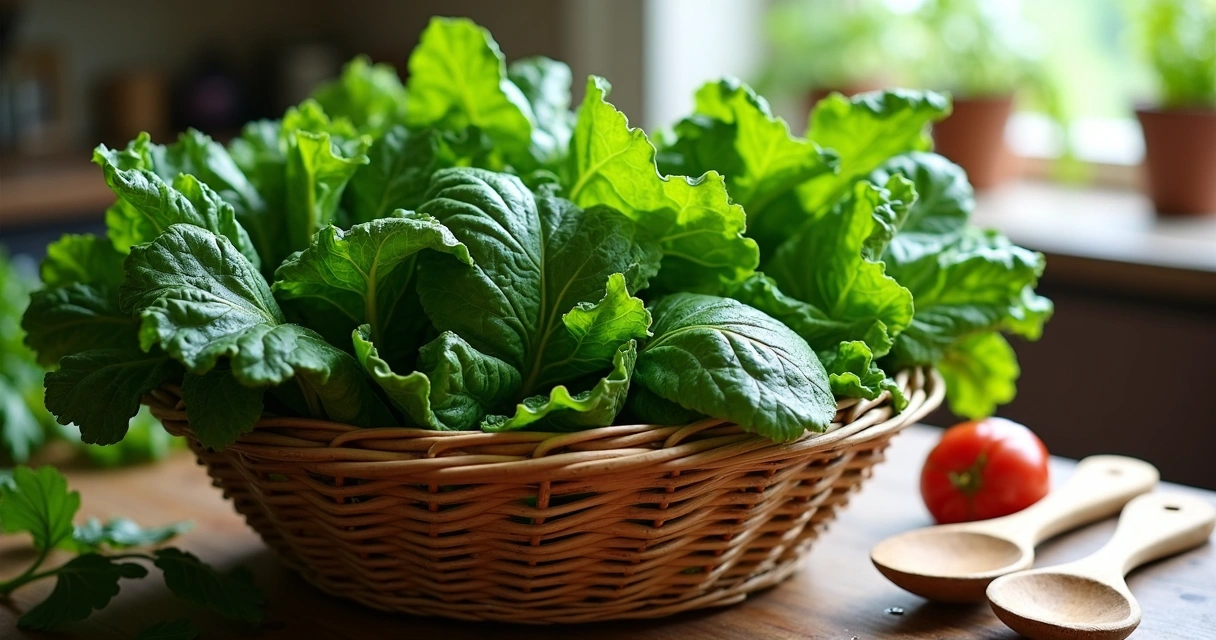
Leafy greens: A green boost for your arteries
I grew up picking out spinach and kale from salads, but now I look for them. These greens are packed with nitrates, which, according to many nutritionists I’ve read, help relax blood vessels and reduce pressure inside them. Just a handful each day can make a difference over time.
Some of my favorite ways to eat them:
- Mixed with olive oil and lemon in salads
- Added to soups, halfway through cooking
- Blended into smoothies with apple, celery, and a squeeze of lime
Leafy greens provide important nutrients that help relax blood vessels and support healthy circulation.
If you’re not a salad fan, start small. Add a few leaves to sandwiches or pasta, and gradually increase the amount. The taste becomes comforting with time.
Beets: Vibrant and heart-friendly
Beets were never on my shopping list until I understood their connection to healthy blood pressure. The ruby color isn’t just pretty—it’s a sign of betalains and natural nitrates, compounds that are frequently linked with relaxing blood vessels. I now roast beets, slice them for salads, or blend them into juice. I find their natural sweetness fits even a simple lunch.
Beets contain plant compounds that can lower blood pressure by supporting flexible blood flow.
If beets are new to you, try small amounts first. Their earthy flavor grows on you over time, especially when paired with citrus or goat cheese.
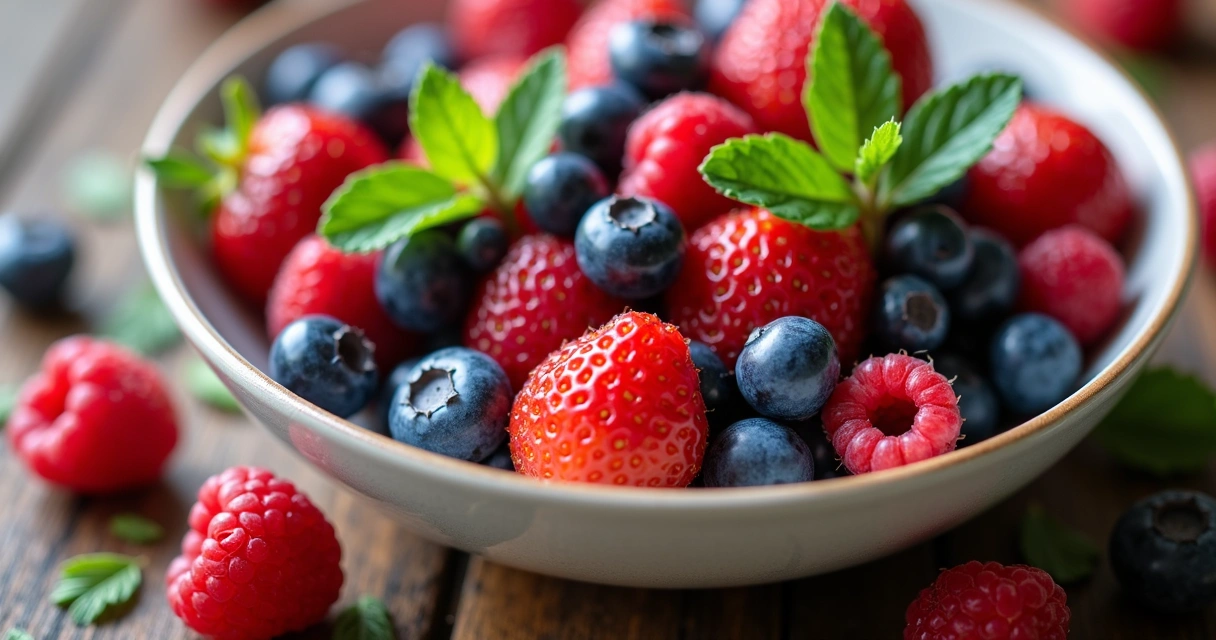
Berries: A handful of antioxidant power
I clearly remember the first time I swapped candy for a bowl of berries. Strawberries, blueberries, raspberries—they’re more than a sweet treat. Berries are rich in polyphenols, which are compounds associated with relaxed arteries and lower blood pressure in various scientific studies.
- Sprinkle berries on yogurt for breakfast
- Add them to your water bottle for a hint of flavor
- Enjoy them plain as a snack to avoid processed sweets
These swaps have helped satisfy my sweet cravings while supporting my heart. The colors alone make any meal more inviting.
Oats: Breakfast that cares for your arteries
Oats are a classic breakfast food known for helping maintain a healthy heart and lowering blood pressure. When I started making oats part of my morning routine, I noticed I felt full for longer, and my cravings for salty snacks seemed to drop. Oats are full of a soluble fiber called beta-glucan, which may help blood flow by supporting healthy cholesterol levels and reducing artery stiffness.
- Cook oats in water or low-fat milk, topped with fruit or nuts
- Use rolled oats in homemade granola
- Include oats in smoothies for extra fiber
With endless ways to prepare them, oats are versatile, filling, and gentle on sensitive stomachs. I find overnight oats especially convenient on busy mornings.
Fatty fish: Omega-3s for smoother circulation
Growing up, I rarely ate fatty fish. Now, I aim for a serving at least once a week. Mackerel, salmon, sardines, and trout are rich in omega-3 fatty acids, which many studies suggest have a positive impact on blood pressure. These healthy fats help relax the lining of blood vessels, encouraging smoother blood flow.
In my kitchen, I keep canned salmon and sardines because they’re budget-friendly and quick. Grilled fillets are an upgrade for special dinners, often served with a squeeze of lemon and a bit of black pepper. I’ve also learned that a serving of fish doesn’t have to be large—even a small portion delivers benefits.
A little bit of fish each week can help keep your blood pressure in check.
Seeds: Tiny but powerful
Flaxseeds, chia seeds, and pumpkin seeds may seem small, but they’re packed with nutrients your heart loves. I first turned to seeds as a way to add texture to meals, but soon realized they’re a powerhouse for magnesium, fiber, and plant-based omega-3s—all linked to better blood pressure control.
Some ways I’ve added seeds to my meals:
- Sprinkle flaxseeds on cereal or yogurt
- Add chia seeds to drinks or overnight oats
- Nibble roasted pumpkin seeds as a crunchy snack
Seeds blend easily into recipes and are a simple way to increase your intake of nutrients that promote healthy blood pressure.
Conclusion: Small choices, big impact
After all I’ve read, eaten, and felt, I am convinced: controlling blood pressure is as much about what’s on your plate as what’s in your pillbox. These seven foods have brightened my meals, helped support my energy, and, yes, nudged my blood pressure closer to healthy numbers. When these foods become everyday choices, the benefits are real, and the flavors keep me coming back.
You don’t have to overhaul your life to care for your heart—just start by picking a few of these foods, and let the changes add up day by day.
Frequently asked questions
What foods help lower blood pressure?
The foods often linked with lower blood pressure include bananas, leafy greens, beets, berries, oats, fatty fish, and seeds. These all contain specific nutrients that support flexible blood vessels, like potassium, fiber, nitrates, omega-3 fatty acids, and magnesium. They are easy to add to most diets and can make a real difference when eaten regularly.
How often should I eat these foods?
From my personal experience and what nutritionists often recommend, it’s best to include these foods several times each week, if not daily. A daily banana, a bowl of oats in the morning, salad greens at lunch, or fatty fish two times per week create a pattern that helps steady blood pressure over time.
Are these foods safe for everyone?
Most people can eat these foods without problems, but specific health conditions or allergies may need caution. If you have chronic kidney disease, for example, you might need to avoid excess potassium. Always check with your doctor or dietitian if you have unique dietary needs.
Where can I buy these foods?
You can find all these foods—bananas, leafy greens, beets, oats, berries, fatty fish, and seeds—at typical grocery stores, farmers’ markets, and even some convenience stores. They tend to be affordable, and most are available fresh, frozen, or canned, so they suit a variety of budgets and shopping habits.
Can these foods replace medication?
While these foods can have a strong, positive influence on blood pressure, I’ve learned that they should not replace doctor-prescribed medication without medical supervision. Food can help manage and support blood pressure, but stopping medication suddenly can be risky. Always talk to your doctor before making any changes to your treatment plan.