I have noticed a quiet shift in conversations about marriage over the past few years. It is becoming more common for couples to talk about open relationships, not as a taboo or secret, but as something they actively consider together. The idea of exclusivity, once seen as the only path to a happy marriage, is being openly questioned by many people I know. This opens new possibilities, but also prompts a lot of questions.
What is an open relationship today?
When I ask couples what they mean by an “open relationship”, I always get a variety of answers. Most agree that it involves partners allowing romantic or sexual connections outside their marriage, but the specifics differ.
For some, it means only emotional connections; for others, it is strictly physical encounters outside of the main relationship.
New rules, boundaries, and expectations come into play. What remains is a commitment to honesty and clear communication, at least in the stories couples share with me.
Why do some couples choose openness?
In my research and conversations, I found several reasons why couples decide to try non-monogamy. Here are a few that kept coming up:
- Curiosity: People want to experience new things without ending their marriage.
- Growth: Some believe opening up helps them grow individually and as a couple.
- Desire differences: Partners may have different love languages or sexual preferences.
- Honesty: They would rather set clear boundaries than hide attractions or impulses.
- Breaking routine: Long-term marriages can feel routine, and this is one way some try to bring back excitement.
One woman told me, “We trust each other enough to know a new experience won’t break us. It might even make us better.” It struck me that trust, and not just desire, is often at the core of these decisions.
How do couples set boundaries?
This is where things get delicate. Every open relationship runs on its own set of rules. In my experience talking to couples, a few patterns stand out:
- Full transparency: Some share every detail, thinking that honesty strengthens their bond.
- Privacy boundaries: Others prefer a “don’t ask, don’t tell” rule, as long as both are comfortable.
- Scheduling: There are couples who plan outside dates together so both know what’s happening.
- Restrictions: Many set clear “no friends” or “no ex-partners” policies to avoid jealousy or confusion.
- Communication check-ins: Some designate time each week to talk about feelings that arise.
The “right” boundary is whatever both people feel safe with.
Open relationships are not a free-for-all—they are structured by mutual agreement and ongoing conversations.
Common emotions: jealousy, freedom, or both?
I have heard a mix of feelings from couples about their experiences with open marriage. Jealousy comes up frequently, but so does a sense of personal freedom.
One man told me, “I thought I’d be jealous, but I mostly feel relief. I don’t worry anymore if my wife still finds other people attractive, because she can tell me. I can finally be honest too.”
On the other hand, some people admit jealousy is tougher than they thought.
Jealousy often surfaces when something new happens, but it usually fades as trust grows or with clear rules.
Freedom, meanwhile, is not about being uncommitted; it is about making choices together. It surprised me how many couples described open marriage as an exercise in strong partnership, rather than a sign of problems.
Typical concerns and risks
Of course, not all stories end up positive. In my experience, couples often voice specific concerns before deciding to open their relationship. The most common ones are:
- Fear of losing emotional intimacy
- Risk of falling in love with someone else
- Managing jealousy and new insecurities
- Social judgments from friends, family, or community
- Fear of breaking up the marriage over miscommunication
- Health concerns, especially around sexual contact
Open relationships can bring challenges that couples might not expect when they first decide to try.
Some people tell me that setting ground rules helps with these risks, while others say surprises are inevitable. Either way, the couples who navigate difficulties well are the ones who check in with each other often.
The impact on the marriage itself
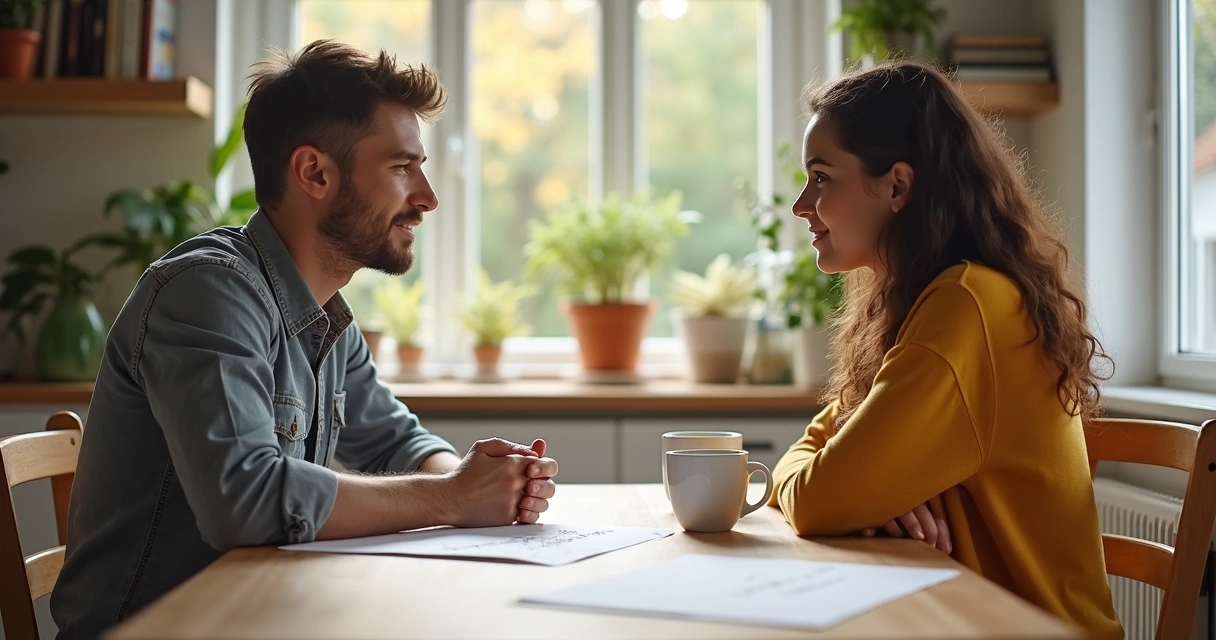
After talking to many couples, and reading personal stories, it is clear that open relationships bring both challenges and rewards. Some find their marriage grows stronger, while others say it just didn’t work for them.
Here’s what couples often report as the biggest benefits:
- Better communication, because honesty is required
- Increased trust from handling jealousy together
- Renewed excitement and novelty in their lives
- Deeper self-knowledge, and understanding each other’s needs
Couples who find openness successful often say they were surprised by how much closer they felt. One woman even described it as, “We became real teammates for the first time.”
On the flip side, problems do come up when couples do not talk enough, feel pressured, or are not equally interested. Some marriages face real stress and arguments. In a few stories I have seen, open relationships triggered breakups when expectations did not match reality.
An open marriage will not fix issues that already exist.
Is society changing its view?
I noticed that while younger couples tend to be more open about discussing these topics, people across many ages are now asking what “commitment” really means for them. Movies, podcasts, and social media might be influencing these shifts, but so are real-life friends and couples speaking honestly about what works for them.
Today, I feel society is not as quick to judge. There is more space for couples to try what fits them, as long as they are not hurting anyone. Even so, some people choose to keep their open relationship private, worried about misunderstanding from those close to them.
Open marriage is not for everyone, but talking about it is starting to feel more normal.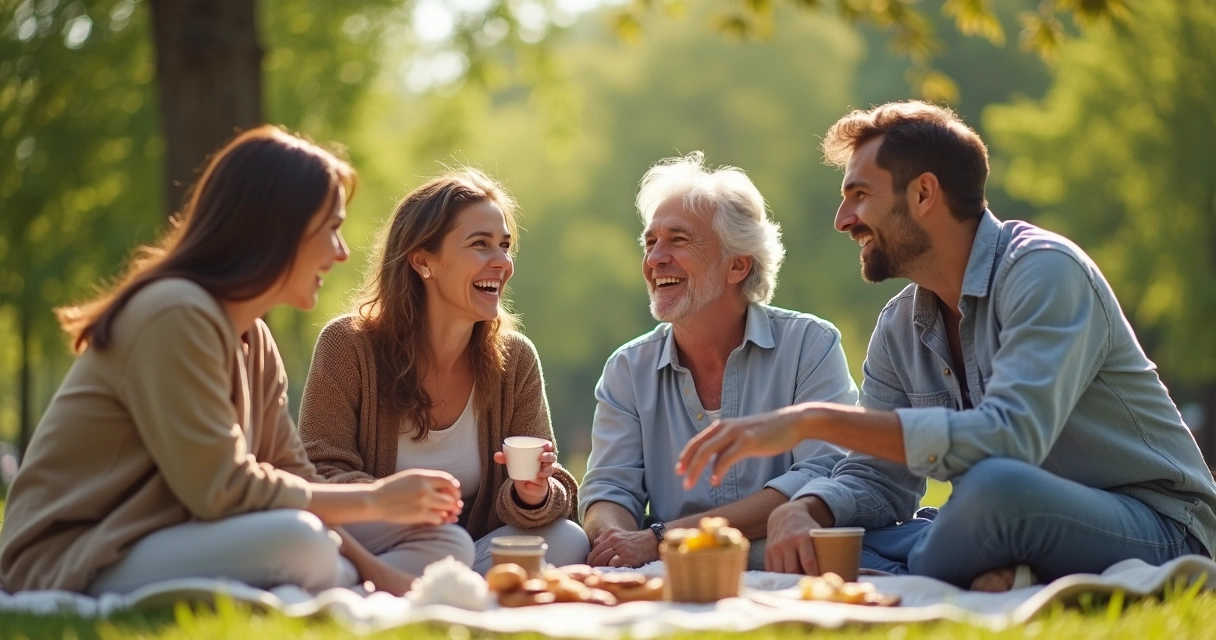
What couples want others to know
When I listen to those who have tried open relationships, there are common messages they wish others would understand:
- It is not always about sex; sometimes, emotional connection is what matters.
- Communication is more important than agreeing on every detail.
- There will be both hard and joyful moments.
- It makes you look at your own needs and values closely.
- People in open marriages are not always unhappy or looking for trouble—they may just want to build something new together.
Every marriage is unique—the only rule is what works for you.
Final thoughts
Based on what I have seen and heard, the conversation around open marriages is getting wider and more honest. While it is never an easy path, many couples find the process itself brings them growth and clarity, whether they stick with it or decide it is not what they want.
Talking about open relationships challenges old ideas and can help couples see new possibilities for connection and happiness.
If you are contemplating this in your own relationship, the most frequent advice I hear is to start with open, honest conversations and listen to each other before making any decisions.