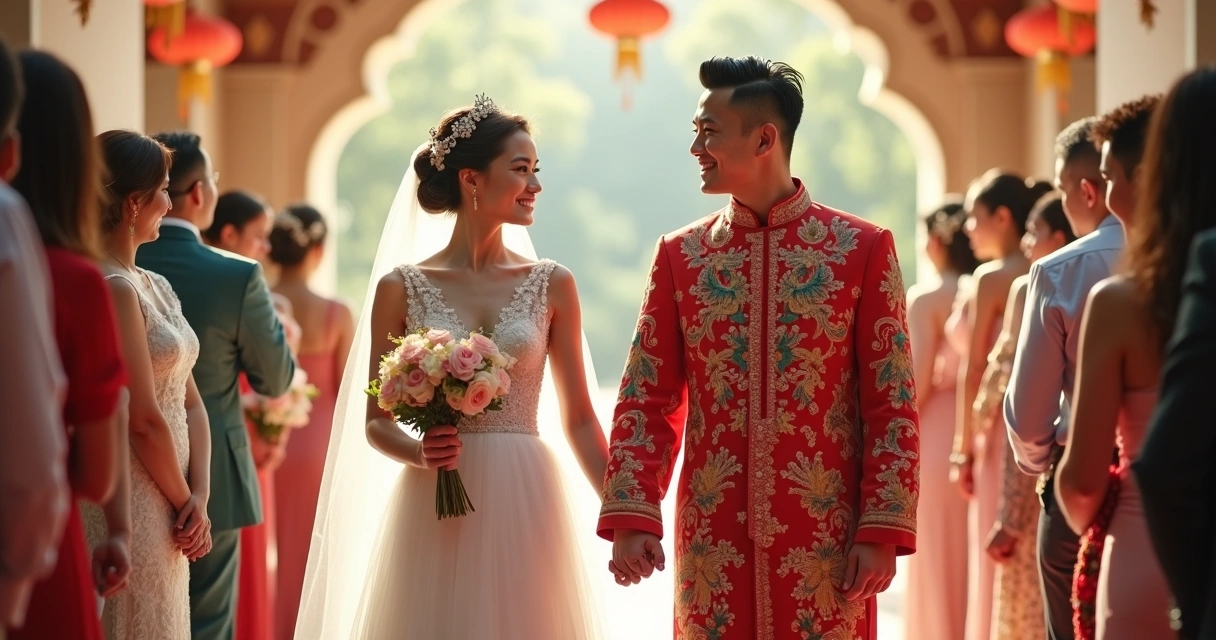
When two people come from different cultures or beliefs, their wedding is much more than a party. It becomes a meeting point of family, identity and dreams. I have watched friends and relatives plan these beautiful mixed-tradition weddings, and I know how special and meaningful they can be. But now and then, I see couples trip over the same obstacles. Here, I want to share the most common mistakes I’ve noticed—so you can plan a celebration that is true to both of you, while sidestepping common troubles with ease.
The challenge of blending traditions
Bringing together two traditions isn’t just about mixing foods or playing different songs. It’s deeply personal, and it can stir up emotions you might not expect—especially among family members. The joy of mixing customs is real, but so are the tensions.
Blended weddings are bridges, not battlegrounds.
In my experience, many of the hiccups couples face have little to do with budget or logistics. They come from assumptions, miscommunications, or not thinking far enough ahead.
Common mistakes (and how to avoid them)
Ignoring family expectations
Your wedding day is about you and your partner, but families play a strong role. I’ve seen couples skip hard conversations, thinking it will all just work out. Most times, this leads to confusion and even hurt feelings.
-
Have open talks early on. I recommend discussing what matters most to both sides. Ask which rituals are meaningful and what is flexible. Write things down; sometimes, seeing all the details makes decisions easier.
-
Don’t just assume that “everyone will be fine with anything.” Often, family members have their own traditions and hopes, even if they don’t speak up at first.
-
Be gentle but clear about what you and your partner want. This is your story, but listening to others can help you shape a ceremony that feels authentic, not forced.
Assuming each tradition is well-understood
I’ve attended weddings where half the room looks confused. The couple has included customs unfamiliar to many guests, and no one explained what was happening. This can make beautiful moments feel awkward instead of inclusive.
Take time to explain each tradition or ritual you include in your ceremony or reception. A simple note in the program, or a few words from the celebrant, helps everyone feel connected. If you want, invite family members to be part of the explanation—it can be a way to honor both backgrounds at once.
Trying to “fit everything in”
When blending two traditions, it’s tempting to squeeze in every element from both sides. I’ve seen packed schedules leave couples completely stressed—and guests tired but confused.
-
Select the rituals that mean the most to you and your partner. Less is often more.
-
Your guests will remember genuine moments more than a checklist of customs.
-
If it helps, you can create small moments throughout the day, not just during the main ceremony. Food, music, or a dance can all be simple but meaningful ways to include both cultures.
Overlooking the meaning of symbols and colors
Colors and symbols can carry big meanings in different cultures. I remember a story where a couple chose white for everything, not knowing it signified mourning in the groom’s family. These small things matter.
Ask elders or family members if certain colors or symbols have specific meanings before finalizing your invitations, decorations, or dress codes. Sometimes this leads to fun discoveries, and together, you can choose new symbols that matter to you both.
Practical planning steps that help
Once you’ve set your intentions and talked with family, the real planning begins. Here are steps I find helpful in keeping peace and building celebration:
-
List non-negotiables from both cultures. These are traditions or values you cannot imagine your wedding without. Put these at the top of your planning notes.
-
Appoint family members as “tradition guides.” One from each side can help explain rituals, select readings, or answer questions for guests during preparations. This makes loved ones feel involved and helps keep misunderstandings in check.
-
Plan your timeline carefully. Sometimes, the length of certain ceremonies can surprise everyone. If rituals must happen at a specific time, adjust your day’s schedule so nothing feels rushed or forgotten.
-
Communicate details to vendors. Let your photographer, caterer, and musicians know which traditions you plan to include. They may need to prepare ahead of time for special moments or cues.
-
Think about your guests’ experiences. Seat friends and family with similar backgrounds together if you think it will help them relax. Or, mix guests intentionally—sometimes, a friendly table neighbor can help explain what’s happening.
Food and drinks: what can go wrong?
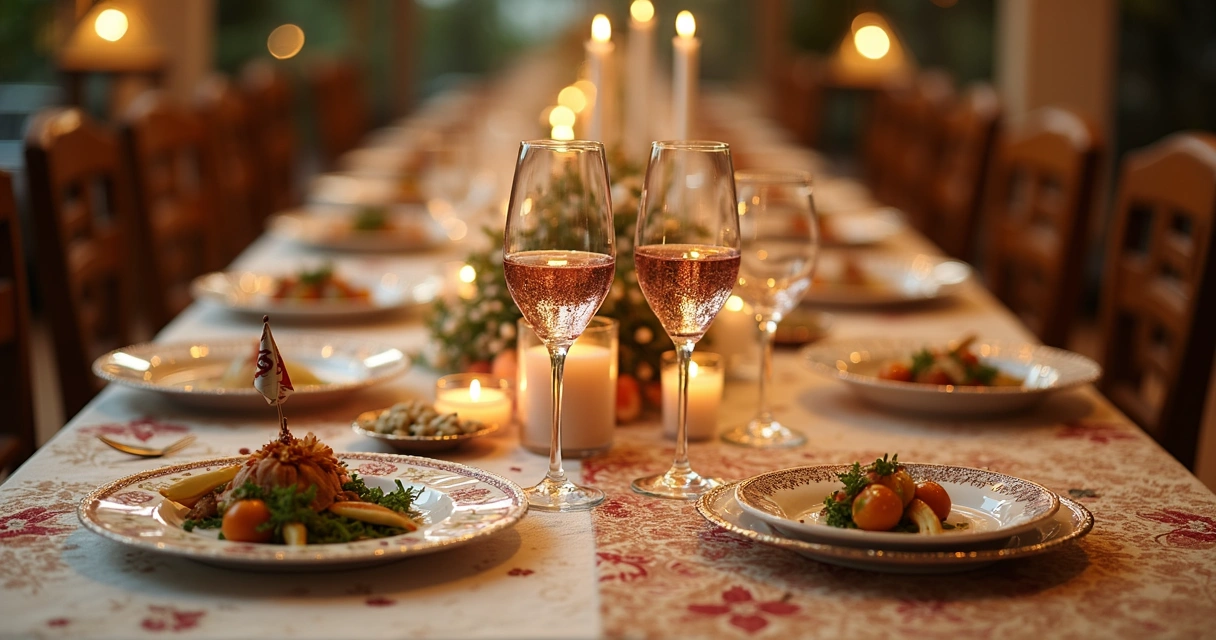
Cuisine is usually the highlight in a mixed-tradition wedding, but it’s another place where misunderstandings can happen. In my experience, communication saves the day:
-
Share dietary restrictions or fasting rules with your caterer. Many traditions have dishes that are never served, or must be prepared in special ways. A missed detail here can upset important guests.
-
Write short descriptions of each menu item on your buffet cards. This helps guests who may be unfamiliar with certain dishes to feel confident in their choices.
-
Consider including a simple “tasting session” during planning, where both families try potential menu options together. It can be a joyful way to connect and break the ice.
The ceremony: pacing and language
Language barriers appear more often than many couples expect. I’ve attended weddings where neither side fully understood the ceremony, which stole the magic for many guests.
To make your ceremony welcoming:
-
Chose an officiant who can conduct the ceremony in two languages—or weave in key phrases from both. If that’s not possible, print a short program with translations of key moments.
-
Pause during the ceremony to let everyone catch up. Short moments for laughter or simple explanations bring people together more than long speeches.
-
Include music or readings in both languages. Even a favorite song can build a bridge between families.
Personal touches that bring it all together
If I’ve learned anything from these celebrations, it’s that small personal touches stand out. A handwritten note at each place setting, explaining why you’ve picked certain traditions or songs, can move guests in ways big speeches or expensive décor cannot.
The most unforgettable weddings are those that let people tell their story, in their own way.
When you let love guide your choices, everything falls into place.
Try creating a single symbolic gesture—something new that represents both of you. I once saw a couple plant a tree together, using dirt from both families’ gardens. It meant more to everyone than any single ritual could.
Final reflections
Planning a mixed-tradition wedding calls for flexibility, respect, and above all, joy. Challenges will pop up, but each one is a chance to make your celebration more honest and memorable. Trust yourself and communicate clearly. And if things go off script? I believe your guests will remember the warmth and meaning, not the small glitches.
A beautiful blended wedding is about honoring where you come from, while looking forward together.
Give yourself—and your families—the room to enjoy every moment, knowing you did all you could to bring everyone along on your journey.