It’s easy to think high blood pressure is something that happens only with age, or just appears out of the blue. In my experience, though, it is much more connected to the decisions we make every day. Some habits that might seem minor can, in reality, send your blood pressure rising fast. I want to share what I’ve learned, and the simple things that can make a real difference to heart health.
Why small habits matter
When I first started reading about blood pressure, I was surprised by how quickly the body reacts to different lifestyle choices. Blood pressure isn’t static, it changes throughout the day, often in response to our actions, environment, and emotions. Once I realized this, I began to look at the choices that could push it in the wrong direction.
Watch out for the salt
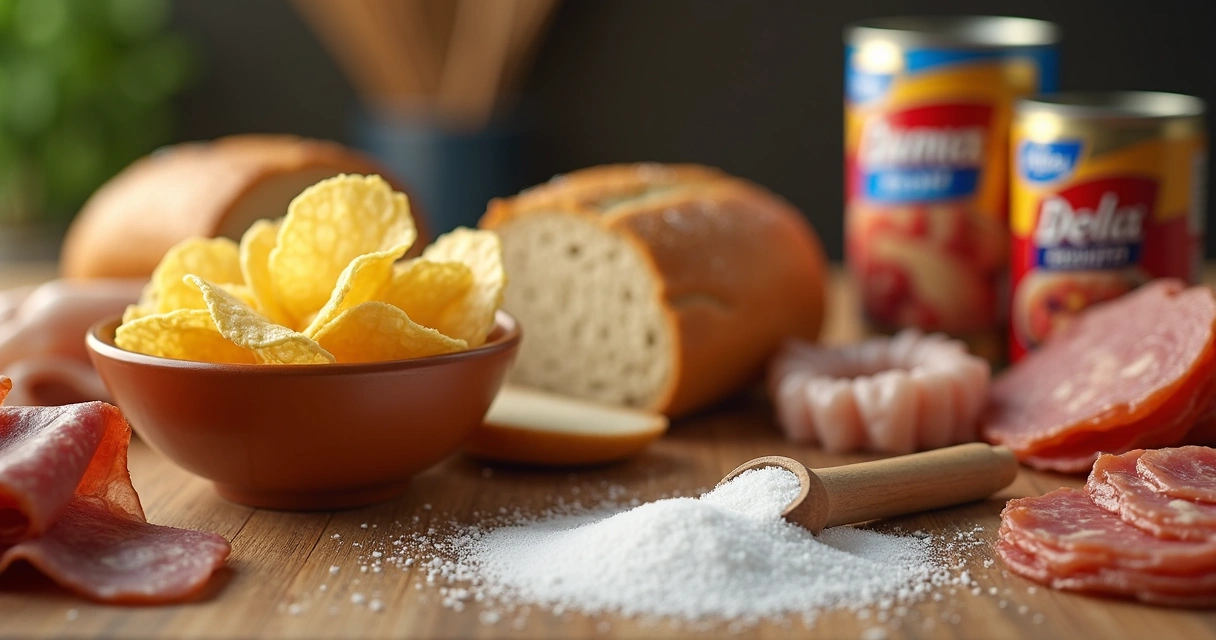
Salt makes food taste better, but it also has a powerful effect on blood pressure. I once thought only salty snacks were a problem. It turns out, the real issue is how salt hides in processed and packaged foods, even in things that don’t taste salty at all.
- Bread and rolls
- Ready-made soups
- Breakfast cereals
- Frozen dinners
- Sauces and salad dressings
Eating too much salt causes your body to hold onto extra water, which puts added strain on your heart and blood vessels. I’ve learned to check labels carefully and try cooking more from scratch, where possible. Each little bit less salt can truly matter.
The hidden risks of staying inactive
There was a time when I spent hours at the computer and felt too tired to go for even a short walk. Looking back, I realize this probably made my blood pressure worse. Physical inactivity slows the body’s systems and can lead to higher readings very quickly.
- Sitting for long periods during work or leisure
- Getting little or no physical exercise each week
- Using elevators instead of stairs every time
The fixes don’t have to be big. Standing up to stretch every hour, walking instead of driving short distances, or playing with kids or pets can all help keep blood pressure lower.
Too much caffeine at once
I enjoy a cup of coffee in the morning. Sometimes, though, I’ve felt my heart race after a second or third cup. Caffeine is known to cause a short-term spike in blood pressure, especially if you aren’t used to it or if you suddenly up your intake.It’s not just coffee:
- Energy drinks
- Certain teas
- Chocolate and sodas
Caffeine can cause your blood vessels to narrow and make your heart beat faster, which raises blood pressure. For me, tuning in to how I feel after caffeine helped me decide my own limit, and stick with it.
The sneaky effects of too much alcohol
Drinking alcohol socially felt harmless to me once, but regular or heavy drinking has been shown to raise blood pressure. Even small amounts can add up if you make it a habit every evening or at weekend events. I found that cutting back not only improved my energy, but also made me sleep better.
- Binge drinking, even occasionally, is risky
- Drinking daily, even a little, can have an effect over time
- Mixing alcohol with salty snacks or meals doubles the risk
I learned that staying under the recommended limits is key, and having alcohol-free days during the week really helps.
Lack of good sleep
I used to think I could get by on just five hours a night, especially when I was busy with family and work. But poor sleep, both in quality and quantity, stresses the body, and that means higher blood pressure. The link between sleep and blood pressure is stronger than many people realize.
Some ways lack of sleep can sneak up:
- Checking your phone late at night and not winding down
- Loud environments or uncomfortable bedrooms
- Irregular bedtimes
I now let myself prioritize sleep, even if it means saying no to another episode or late-night scrolling.

Chronic stress and poor stress relief
Trying to juggle work, family, bills, and other pressures took a toll on me before I realized what was happening. Chronic stress sends signals to the body that keep blood pressure up for longer than a normal “fight or flight” moment ever should. Letting anger, deadlines, or constant worry dominate the mind causes real physical changes.
- Not taking breaks during stressful days
- Ignoring hobbies, friends, or “me time”
- Trying to manage everything alone
Stress echoes in your body long after the moment has passed.
I found even five minutes of deep breathing, or a short walk outside, can help clear the head. It’s not about removing stress entirely, but finding ways to handle it.
Smoking and passive smoke
From what I have read and seen, smoking is quick to raise blood pressure, often within minutes. Even if you do not smoke, being around those who do (secondhand smoke) can still have an effect. This can be discouraging for people trying to quit, but every cigarette skipped is a win for your blood vessels and your heart.
Unhealthy eating patterns
Skipping meals or eating erratically might not seem linked to blood pressure, but the body craves consistency. Fast food, packaged snacks, and ignoring fruits and vegetables all play a role.
A rainbow on your plate is a gift to your heart.
I noticed improvements in both energy and focus by eating regular, balanced meals and watching portion sizes.
Conclusion
My journey to better blood pressure has been simple, but not always easy. The habits that raise blood pressure quickly are often the ones we do without thinking, too much salt, inactivity, excessive caffeine, stress, alcohol, poor sleep, and others. But even small changes, noticed and repeated, can make a big difference. Today, I pay closer attention. My body thanks me for it.
Frequently asked questions
What habits quickly raise blood pressure?
Habits like eating too much salt, drinking excess caffeine or alcohol, staying physically inactive, having frequent stress, smoking, and not getting enough sleep can quickly raise blood pressure. Even skipping meals or eating mostly processed foods can play a part. Blood pressure rises when the body experiences too much stress, too much salt, or not enough movement or rest.
How does salt affect blood pressure?
Salt makes your body hold onto extra water. This extra fluid increases the pressure inside your blood vessels, making the heart work harder. People who use a lot of packaged and processed foods may end up getting far more salt than they realize, leading to rapid spikes in blood pressure.
Is caffeine bad for high blood pressure?
Caffeine can raise blood pressure in the short term, especially for people who aren’t used to it or drink a lot in one sitting. If you have high blood pressure, limiting caffeine might help avoid sudden rises in your readings. It’s best to watch your own reactions and speak to a doctor about what’s right for you.
Can alcohol cause high blood pressure?
Yes, alcohol can raise blood pressure, especially if used frequently or in large amounts. Drinking every day or binge drinking sometimes causes the body to keep blood pressure higher than normal. Even moderate drinking may add up over time if it becomes a daily habit.
How does stress impact blood pressure?
Stress triggers the body’s “fight or flight” response, even if there’s no real danger. This makes the heart beat faster and narrows blood vessels, both of which send blood pressure up. Chronic or unrelieved stress keeps blood pressure higher over the long run, so finding ways to relax is valuable.